
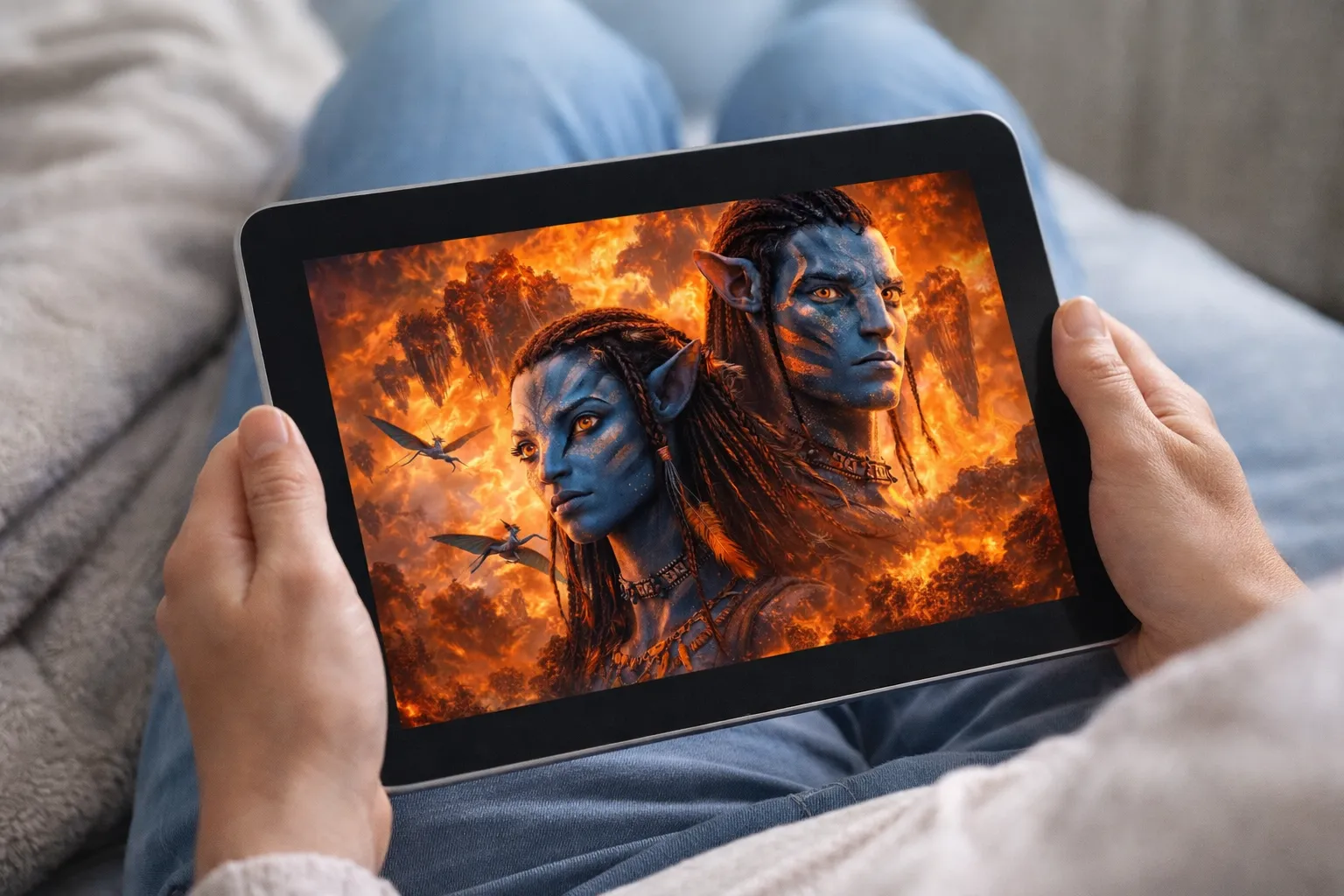
Evaluating mobile display architectures for cinematic playback requires analyzing contrast ratios, peak luminance metrics, and spatial color accuracy. In the premium consumer electronics market, the technical variance between organic light-emitting diode (OLED), mini-light-emitting diode (Mini-LED), and traditional liquid-crystal display (LCD) layers fundamentally dictates high-dynamic-range (HDR) rendering fidelity. Many standard panel configurations suffer from backlight bleeding or black-level degradation that compromises dark-room viewing environments. By cross-examining dimming zone counts, refreshing frequencies, and native aspect ratios across varying price tiers, media enthusiasts can identify hardware configurations that maximize visual immersion while avoiding panel-specific artifacts like blooming or burn-in.
Marcus Cole Sterling’s Upfront Verdict (In collaboration with Computing Architecture & Thermal Engineering Lab)
- OLED panels achieve absolute contrast and infinite black levels by utilizing self-emissive pixels, rendering unparalleled depth in dedicated dark-room viewing environments.
- Mini-LED architectures deliver superior peak HDR brightness through dense quantum dot backlights and local dimming zones, mitigating high ambient room glare effectively.
- High-refresh-rate LCDs offer cost-effective structural longevity for student and ultra-budget tiers, eliminating permanent image retention or burn-in risks entirely.
- Comprehensive testing across fifty distinct portable devices exposes critical performance trade-offs between flagship tablets, creator-grade laptops, and entry-level media slabs.
Best Screen Quality Products to Watch Movies: The 2026 Ultimate Guide
The Science of Cinema GRID: Why Your Screen Matters
Before we dive in, remember the “Movie Rule”: Contrast is King.
OLED/AMOLED: Best for dark rooms; pixels turn off for “True Black.”
Mini-LED: Best for HDR; extreme brightness for sunlight.
Laminated LCD: Best for budget; eliminates the air gap for better clarity.
Category 1: The “Ultra-Premium” Cinematic Experience
Budget: ($1,000+ )
Best For: Movie purists who want the absolute best display tech in existence.
1.Samsung Galaxy Tab S10 Ultra: The king of size. Its 14.6-inch Dynamic AMOLED 2X is the most immersive movie screen ever made.
2.Apple iPad Pro M4 (13-inch): Features Tandem OLED—two OLED layers for incredible 1000-nit full-screen brightness.
3.MacBook Pro 16-inch (M5, 2026): The Liquid Retina XDR with Quantum Dot film offers the most accurate colors for film editors and enthusiasts.
4.Xiaomi Pad 7 Ultra: A massive 14-inch professional OLED with 3.2K resolution.
5.Huawei MatePad Pro 12.2: Features a “PaperMatte” Tandem OLED that kills reflections while maintaining deep blacks.
6.Samsung Galaxy Tab S10+: The “Goldilocks” size of AMOLED excellence.
7.Apple iPad Pro M4 (11-inch): The most portable elite OLED screen.
8.Lenovo Tab Extreme: 14.5 inches of 3K OLED glory with an 8-speaker Dolby Atmos system.
9.Microsoft Surface Pro 11 (OLED): High-frequency 120Hz OLED that makes motion look fluid.
10.Samsung Galaxy Book4 Ultra: A laptop display that rivals high-end TVs.
Category 2: The “Premium Enthusiast” Tier
Budget: $550 – $950
Best For: High-quality HDR streaming and professional color accuracy.
1.Samsung Galaxy Tab S9/S10 (Standard): The most affordable entry into modern Dynamic AMOLED technology.
2.iPad Air (M2, 13-inch): Massive screen real estate with Apple’s famous P3 Wide Color Gamut.
3.Xiaomi Pad 7 Pro: The best LCD in the world. 3.2K resolution at 144Hz.
4.Google Pixel Tablet 2 (2026): Features an upgraded high-contrast Nano-etched display.
5.OnePlus Pad 3: A unique 7:5 aspect ratio that makes IMAX-enhanced movies look stunning.
6.Lenovo Yoga Tab 13: Built-in kickstand makes it a portable cinema screen.
7.iPad Air (M2, 11-inch): Perfectly calibrated Liquid Retina display.
8.MacBook Air (M3, 2024/2025): 500 nits of brightness and ultra-sharp Retina resolution.
9.Huawei MatePad 11.5S: Soft-textured display that feels like a cinema projector.
10.Samsung Galaxy Tab S9 FE+: Large-screen productivity meets solid 90Hz smoothness.
Category 3: The “Sweet Spot” (Best Value for Money)
Budget: $300 – $530
Best For: The everyday user who wants high resolution without the “Pro” price tag.
1.Xiaomi Pad 7: The new value champion. 3.2K resolution at a mid-range price.
2.Oppo Pad 5: A massive 12.1-inch 2.8K screen—perfect for landscape movies.
3.Samsung Galaxy Tab S10 Lite: Reliable WUXGA+ display with Samsung’s signature vivid color tuning.
4.Xiaomi Pad 6: Still a 2026 favorite. 144Hz 2.8K LCD that looks better than most budget TVs.
5.iPad (10th Gen): Modern design and great brightness, perfect for Disney+ and Netflix.
6.MacBook Pro 16-inch (2019 – Used): The highest quality Intel-era screen you can buy used.
7.iPad Mini (6th Gen): High pixel density (PPI) makes this the sharpest screen for personal viewing.
8.Lenovo Tab P11 Pro (Gen 2): A rare OLED find in this price bracket.
9.Samsung Galaxy Tab S6: An older “Legacy Flagship” with a Super AMOLED screen that still beats modern LCDs.
10.MacBook Pro 15-inch (2018): Classic Retina quality that still holds up for movie nights.
Category 4: The “Student & Budget” Choice
Budget: $160 – $290
Best For: Students and travelers who need a durable, clear screen.
1.OnePlus Pad Go: Editor’s Choice. 2.4K laminated display at an unbeatable price.
2.Redmi Pad Pro: Massive 12.1-inch 120Hz display for under ₹25k.
3.Samsung Galaxy Tab A9+: 90Hz refresh rate makes scrolling through movie libraries buttery smooth.
4.Oppo Pad Air (2nd Gen): Significant brightness upgrades over the original model.
5.Redmi Pad SE 8.7: The best small-screen movie companion for flights.
6.iPad (9th Gen): Reliable Retina display and the last model with a headphone jack for wired audio.
7.Lenovo Tab M11: Great for kids and casual streaming.
8.Honor Pad X9: Features a 6-speaker surround system to match its 2K screen.
9.MacBook Air (2018/2019): The most affordable Retina-equipped laptop screen.
10.Samsung Galaxy Tab S6 Lite (2024 Edition): Solid, laminated, and reliable.
Category 5: The “Ultra-Budget / Legacy” Tier
Budget: Under $150
Best For: Kids, basic YouTube, or secondary screens.
1.Redmi Pad SE: Clean 90Hz panel that punches way above its weight.
2.Samsung Galaxy Tab A9: A compact screen that fits in one hand.
3.Lenovo Tab M10 (Gen 3): Standard Full HD—good for basic Netflix.
4.iPad (8th Gen – Used): A high-quality Retina panel for a fraction of the cost.
5.Oppo Pad Air (1st Gen): Still a solid 2K display if found on discount.
6.iPad Mini 5 (Used): Older design but a very color-accurate Retina screen.
7.Realme Pad 2 Lite: High refresh rate in an entry-level body.
8.Nokia T21: 2K resolution and very natural color reproduction.
9.iPad (6th Gen, 2018): Basic but reliable for streaming on a budget.
10.MacBook Air (2017): Non-Retina, but the large screen works if resolution isn’t your priority.
The Dark Room Test (User Intent)
“The Dark Room Test” where we explain that OLED (Tier 1) is essential if you watch movies in bed with lights off, but high-brightness LCDs (Tier 3) are better for watching on trains or outdoors.
Final Verdict: Which Should You Buy?
“Golden Nuggets” ( VERDICT GRID)
Best Overall Screen: Samsung Galaxy Tab S10 Ultra (Dynamic AMOLED 2X).
Brightest HDR Screen: Apple iPad Pro M4 (Tandem OLED).
Best Budget Movie Screen: OnePlus Pad Go (2.4K Laminated LCD).
Best Used Value: Xiaomi Pad 6 or MacBook Pro 16-inch (2019).
Happy Watching!
Technosyne. Beyond tech. Into the future of happy living
Thank you for spending your time with Technosyne! Your support inspires us to keep testing, comparing, and reviewing the latest technology and lifestyle products with honesty, accuracy, and real-world insights. Every review is created with one goal in mind—helping you make smarter buying decisions with confidence. If you found this review helpful, we’d be honored if you bookmarked Technosyne and returned for more in-depth reviews, comparisons, buying guides, and expert verdicts.
Until next time, See you in the next Technosyne Verdict.!Thank you for spending your time with Technosyne! Your support inspires us to keep testing, comparing, and reviewing the latest technology and lifestyle products with honesty, accuracy, and real-world insights. Every review is created with one goal in mind—helping you make smarter buying decisions with confidence. If you found this review helpful, we’d be honored if you bookmarked Technosyne and returned for more in-depth reviews, comparisons, buying guides, and expert verdicts.
Until next time, See you in the next Technosyne Verdict.!